


-

Get hooked on Resin


Hammer Roo
4 Cutter Surface Planing/Flattening Bit - 1/2" Shank With Replaceable Inserts
$23200Unit price /UnavailableIn Stock-
Carbitool
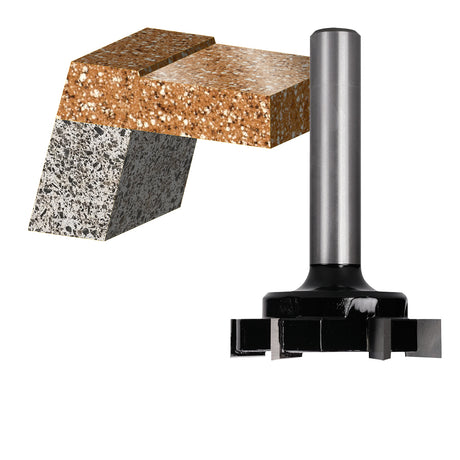
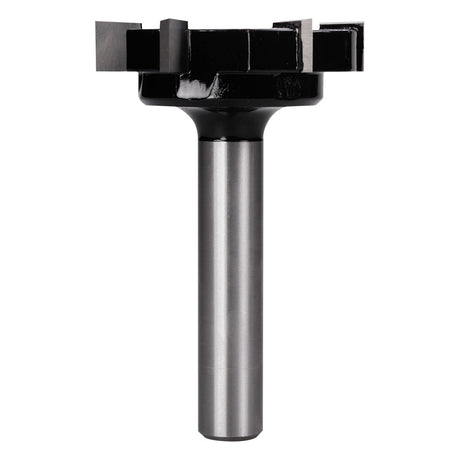
Surface Planing/Flattening Router Bit Carbitool - 1/2" Shank
$17300Unit price /UnavailableLast One Left (1 unit) 
Carbitool
Carbide Spiral Up Cut Router Bits Carbitool - 1/4" Shank
From $10500Unit price /UnavailableIn Stock-
Carbitool
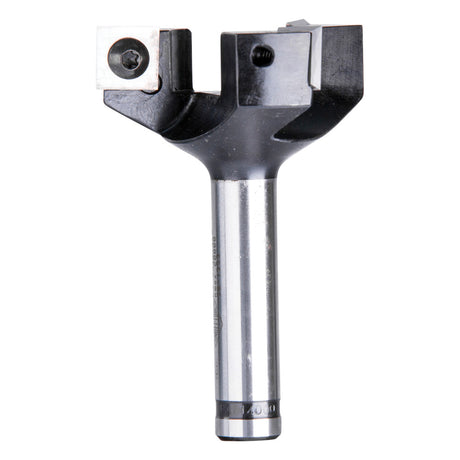
Surface Planing/Flattening Router Bit Carbitool - 1/2" Shank With Replaceable Inserts
$36000Unit price /UnavailableLow Stock (3 units) -
New Arrival
Hammer Roo
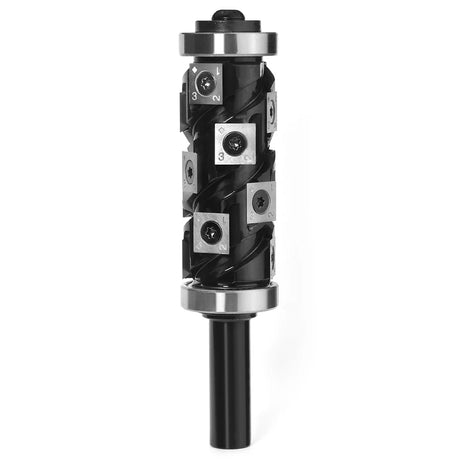
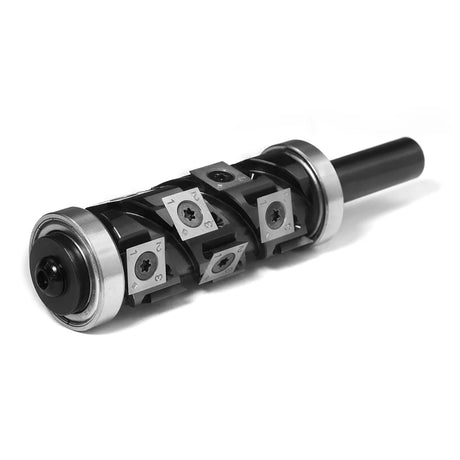
Spiral Flush Trim Bit - Double Bearing - 1/2" Shank
From $23300Unit price /UnavailableIn Stock -
1% Off
Hammer Roo
12x12x2.2mm Premium Carbide Cutter Inserts - Suits most standard router tooling
$7700$7800Unit price /UnavailableIn Stock 
Hammer Roo
3 Cutter Surface Planing/Flattening Bit - 1/4" Shank With Replaceable Inserts
$16900Unit price /UnavailableIn Stock-
Carbitool
Pattern / Inverted Flush Trim Router Bits Carbitool - with Bearing 1/4" Shank
From $6700Unit price /UnavailableIn Stock -
New Arrival
-
New Arrival
-
Carbitool
Round Over Router Bits Carbitool - with Bearing 1/4" Shank
From $9500Unit price /UnavailableIn Stock 
Hammer Roo
15x15x2.5mm - 150mm Radius Premium Carbide Cutter Inserts - Suit Woodfast, Carbatec, Sherwood
$11700Unit price /UnavailableIn Stock
-
-
-
Carbitool
Flush Trim Router Bits Carbitool - 1/2" Shank
From $6600Unit price /UnavailableIn Stock
























Compare /3
Loading...